
Water Heater Repair
Technicians assess the full system rather than replacing parts on assumption. Every job is documented so property owners have a record of what was done and what parts were used.
Plumbing · Alaska
Grant Plumbing handles Plumbing work across Alaska.
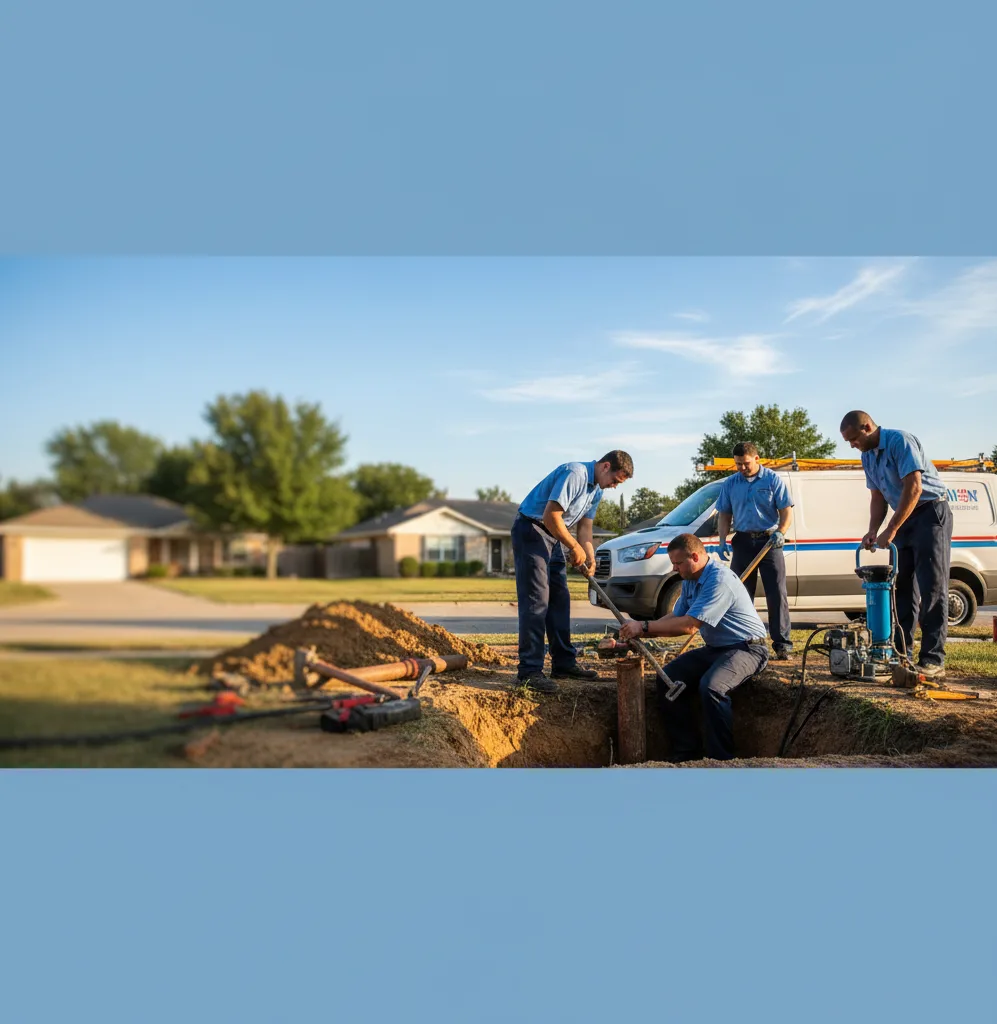
All installations and repairs follow the local code and permit rules that apply in Alaska.
The team handles licensing where the state requires it for plumbing services.
Service reaches from Anchorage, AK to Chugiak, AK and points between.
Services
Technicians assess the full system rather than replacing parts on assumption. Every job is documented so property owners have a record of what was done and what parts were used.
Work is performed by technicians who carry the licenses required in the state where the property sits. Every installation includes a review of the existing connections and a final test of the completed system.
Technicians follow the same inspection and clearing sequence on every job. Equipment is selected according to pipe size and material rather than a one-size approach. Documentation is left with the property owner after each visit.
Technicians begin with a camera inspection so the nozzle size and pressure match the pipe material and the type of buildup present. The same crew handles both the jetting pass and the final camera verification to confirm the line is clear before leaving the site. Emergency calls receive priority scheduling when backups affect multiple fixtures at once.
Technicians combine meter tests, acoustic sensors, and thermal imaging to locate leaks while preserving finished surfaces whenever possible. Each inspection produces a written diagram of findings that owners can review before any repair work begins.
Grant Plumbing records each sewer line with video before and after repair. The same standards apply whether the property sits in a dense neighborhood or on a rural lot in Alaska.
The company focuses on identifying the actual cause rather than treating only the immediate symptom. Technicians document findings so property owners have a record of what was checked and what remains in acceptable condition. When clogs persist, they often recommend drain cleaning or hydrojetting to clear lines thoroughly.
A water heater that stops giving steady temperature often has sediment at the tank bottom or a failing heating element. In Alaska homes the unit may also build up mineral scale faster because of hard groundwater. Technicians start by checking the thermostat settings and the dip tube that sends cold water to the bottom of the tank. They test the pressure relief valve next and look at the anode rod for corrosion. When the rod is gone the tank walls begin to rust inside. Replacing the rod or flushing the tank can often restore performance without a full swap. The process also checks that venting on gas models stays clear so combustion gases leave safely.
Technicians check for leaks around the inlet and outlet connections and listen for rumbling that means sediment is shifting during heating. In areas with freeze-thaw cycles, supply lines can crack and cut flow to the heater. Electric models need the upper and lower elements tested with a multimeter to confirm they still draw the right amperage. Gas models require a thermocouple check because a weak sensor will shut the burner off even when hot water is needed. These steps show whether repair or replacement makes more sense long term.
Why us
Reliable work delivered the same way in every area we reach
Grant Plumbing takes care of residential and commercial plumbing jobs throughout Alaska. Every job begins with an on-site check to pin down exactly what's needed before any price is quoted, and the same technician who does that check carries out the work.
The technician who evaluates the job on site is the one who completes the repair or installation.
Scope of work and costs are confirmed in writing before any work begins, and any changes are agreed upon in advance.
Common parts stay on the trucks so frequent issues can be handled right away.
Our process
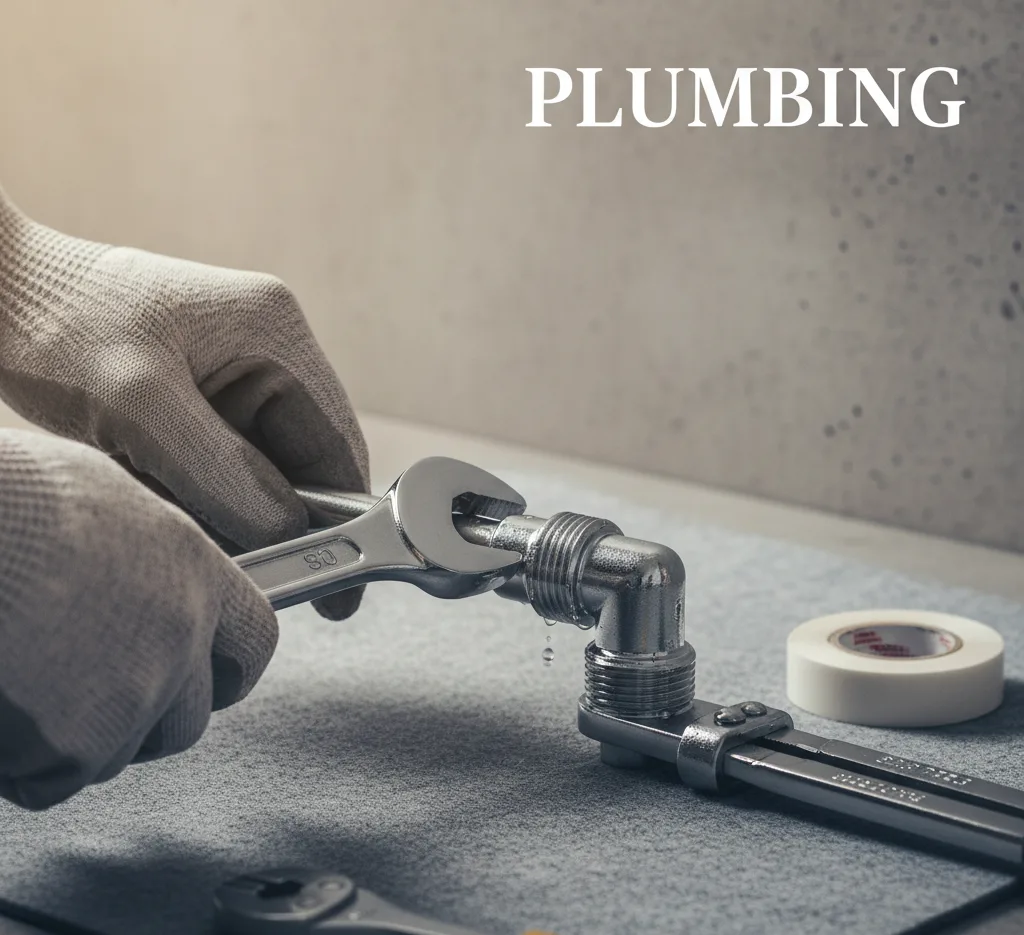
The process starts with a description of the issue, moves through on-site assessment, and ends with a written summary of what was completed.
Every water heater installation starts with confirming the fuel type and capacity match what the house needs. Tankless units need the right gas line size or electrical service, while tanks need proper seismic strapping in zones that require it. The plumber measures space and clearance to combustion air openings before starting. After the new unit is in place the team flushes the lines to clear debris and checks temperature rise across the heater. Final steps include labeling shutoff valves and leaving the owner the model information for later service.
A single visit can cover both the water heater and related plumbing emergencies such as a leaking shutoff valve or low pressure from old galvanized pipe. The technician notes each finding and explains the options without pushing for an answer right away. Work stays within the scope the homeowner approves and always follows local code in Alaska.
Grant Plumbing handles homes and businesses all over the state. We see everything from remote spots to more built-up areas. The aim is steady work no matter where the job lands us.
Each visit starts with a straight explanation of the problem and what needs fixing. We lay out the options plainly and settle the price before anything begins. The crew trains to the same standards everywhere, so the quality holds up from one job to the next. Fast response helps keep the hassle down when we can manage it.
Key elements of our process include:
Years on jobs across Alaska have shown us plenty of different plumbing setups. That background lets us give useful pointers for each place. Questions are welcome before any work is agreed to, and the standard stays the same on big jobs or small ones. We keep at it with reliable service for customers statewide.
Pricing
The total depends on the age and type of the unit, access to connections, and whether venting or electrical upgrades are needed. The amounts below are starting points only.
Water heater repair — starting at $185 Thermostat or element replacement — starting at $265 Tank flush and anode service — starting at $155 Pressure relief valve replacement — starting at $195 Gas water heater installation — starting at $1,450 Electric water heater installation — starting at $1,250 Tankless unit install — $2,800-$4,200 Leak repair at heater connections — starting at $175 Expansion tank addition — starting at $285 Permit and inspection coordination — starting at $95
Homes built before modern insulation standards often have water heaters in unconditioned spaces where summer heat or winter cold hurts efficiency. Technicians check expansion tanks and temperature mixing valves that protect older plumbing from pressure spikes. In Alaska these visits also look for pipe movement caused by soil shifts after heavy rain.
A homeowner can note whether temperature changes only at certain fixtures or throughout the house. Dripping from the pressure relief valve or visible rust at the base usually calls for a professional look. Regular flushing removes sediment before it hardens and lowers heating efficiency.
FAQ

Noise usually comes from sediment that has settled at the bottom of the tank and is being heated repeatedly. The sound can range from popping to rumbling depending on how much material has accumulated. Flushing the tank removes most of the sediment and quiets the unit. In some cases the dip tube has broken and is directing cold water directly onto the heating element, which also creates noise.
The task requires shutting off power or gas, draining the tank, and working with electrical connections or gas fittings. Incorrect reassembly can create leaks or safety hazards. Most homeowners lack the specific tools needed to torque the new element correctly. A licensed technician performs the replacement and tests the unit afterward.
The interval depends on local water hardness and how much hot water the household uses. In areas with moderate hardness, once a year is usually sufficient. Homes with very hard water may benefit from flushing every six months. A technician can check the amount of sediment during the first service call and recommend a schedule based on what is found.
Nearby
Coverage
Water Heater Repair & Plumber across Alaska. Call (888) 205-2213.
Call (888) 205-2213